
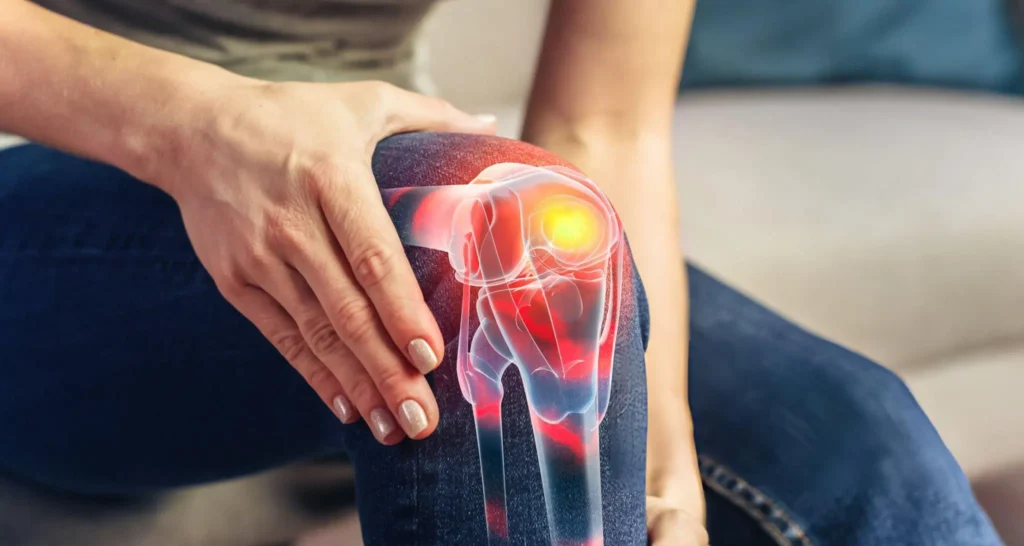
Bones are living tissue. They change throughout life, building during childhood and adolescence and reaching peak bone mass during early adulthood. From the 30s onwards, bone density generally begins to decline gradually.
Key Takeaways
- Osteoporosis is a condition where bones become less dense and more likely to fracture.
- Bone density naturally decreases with age, particularly after menopause in women.
- Falls and fractures are a significant concern for older adults with reduced bone density.
- A GP can assess relevant risk factors and discuss whether a bone-health review or testing is appropriate.
- Calcium, vitamin D, protein, physical activity and avoiding smoking all contribute to bone and muscle health.
- A bone-density scan (DXA scan) may be recommended when age, fracture history or other risk factors suggest it would be useful.
What Happens to Bones as You Age?
Bones are constantly being broken down and rebuilt in a process called bone remodelling. During childhood and early adulthood, building generally outpaces breakdown, and bones reach their peak density by the mid to late twenties.
From around the mid-thirties, bone density gradually decreases in both men and women. According to Healthdirect Australia, this loss accelerates in women in the years following menopause due to reduced oestrogen levels. Men also experience gradual bone loss with age, though often at a slower rate.
This natural change is not a disease, but it is a reason to take bone-supportive habits seriously.
What Is Osteoporosis?
Osteoporosis is a condition in which bones become less dense and more fragile, increasing the likelihood of a fracture, sometimes after a relatively minor fall or injury. A fracture of the hip, spine or wrist can occur as a result of a relatively minor fall.
Osteoporosis often develops without obvious symptoms before a fracture occurs. Risk factors include age, female sex, early menopause, low calcium or vitamin D intake, low physical activity, smoking, excess alcohol and certain medicines or medical conditions.
Osteopenia describes a lower than average bone density that has not yet reached the threshold for an osteoporosis diagnosis. It can be an appropriate time to discuss bone health with a GP.
Which Lifestyle Factors Support Bone Health?
Several everyday habits can support bone and muscle health and form an important part of reducing osteoporosis and falls risk over time.
Calcium Intake
Calcium is the main mineral in bone. Australian recommendations increase with age. Women aged 51 years and over are recommended to have 1,300 mg of calcium each day. Men aged 51–70 are recommended 1,000 mg daily, increasing to 1,300 mg from age 71. Dairy foods, tinned fish with bones, tofu and leafy greens are useful dietary sources.
Vitamin D
Vitamin D helps the body absorb calcium. Most Australians obtain vitamin D through safe sun exposure. Some people, particularly those who spend limited time outdoors, older adults, and those with darker skin may be at risk of low vitamin D levels. Healthdirect recommends speaking with a GP if you are concerned about vitamin D.
Weight-Bearing and Resistance Exercise
Weight-bearing and resistance exercise can help support bone and muscle strength. Examples may include brisk walking, dancing and suitable resistance exercises. Balance-focused activity is also important for older adults because better strength and balance can help reduce falls risk.
If you have osteoporosis, a previous fracture or significant mobility concerns, ask a GP, physiotherapist or exercise physiologist which activities are suitable for you.
Avoiding Smoking and Excess Alcohol
Smoking is associated with lower bone density. Excess alcohol consumption is also linked to reduced bone health and increased fall risk. Avoiding smoking and limiting alcohol can support bone health as well as other aspects of overall health.
What About Calcium Supplements?
Not everyone routinely needs calcium supplements, and the appropriate amount depends on dietary intake, medicines and individual health circumstances. If dietary intake is insufficient, a GP can assess whether supplementation may be appropriate based on individual circumstances, other medicines and health history.
Supplements should not be taken without considering individual needs, as the appropriate approach varies between patients.
Who Is Most at Risk of Bone Loss and Fractures?
Some people are at higher risk and may benefit from earlier or more regular bone-health review:
- Women who have been through menopause, particularly early menopause
- Men and women over 70
- People who have had a fracture after a minor fall or injury (sometimes called a fragility fracture)
- Those with a family history of osteoporosis
- People on long-term corticosteroids or certain other medicines
- Those with relevant conditions such as coeliac disease, hyperthyroidism or kidney disease
- People with low body weight
- Those who smoke or drink heavily
Risk does not mean a fracture will definitely occur. It means bone health is worth paying closer attention to.
What Is a Bone Density Scan?
A bone density scan, also called a DXA scan, uses low-dose X-rays to measure the mineral density in specific bones, usually the hip and spine. It is commonly used to measure bone mineral density and can help diagnose osteoporosis and assess fracture risk.
Results are given as T-scores and Z-scores, which compare bone density to a reference population. A GP interprets these results alongside individual risk factors rather than acting on the number alone.
DXA scans may be Medicare-eligible for certain groups. Whether a DXA scan is clinically appropriate and whether a Medicare rebate applies are separate considerations. A GP can review your individual risk factors and discuss whether a bone-density scan or other investigation may be appropriate for your individual circumstances.
What Might a GP Check During a Bone Health Review?
A GP can assess bone health by considering several factors together rather than relying on one measure alone.
During a general GP consultation, your GP may:
- Review your age, sex, family history and relevant medical history
- Ask about diet, exercise, smoking and alcohol
- Ask about previous fractures or falls
- Review current medicines that may affect bone density
- Consider whether a DXA scan referral is appropriate
- Discuss lifestyle factors and whether any changes may support bone health
- Consider whether ongoing monitoring is warranted
- Arrange blood tests where clinically indicated, such as testing for vitamin D deficiency or investigating medical conditions that may affect bone health.
Falls and Fractures – Why They Matter
For older adults with reduced bone density, falls carry greater risk. A fracture of the hip, spine or wrist can affect mobility, independence and overall health in significant ways.
Reducing fall risk is therefore an important part of bone-health management alongside maintaining bone density. This may involve reviewing medications that affect balance, assessing vision, modifying the home environment, and maintaining physical strength and balance through regular activity.
If osteoporosis is diagnosed alongside other ongoing health conditions, your GP can discuss whether coordinated chronic-condition care is appropriate and monitoring over time.
When Should You Speak With a GP About Bone Health?
Consider raising bone health with your GP if:
- You are a woman who has been through menopause, particularly before age 45
- You are over 50 and have one or more osteoporosis risk factors.
- You have had a fracture from a relatively minor incident
- You have risk factors such as smoking, low body weight or relevant medical conditions
- You are on long-term steroid medicines
- You have concerns about your vitamin D or calcium intake
- A family member has been diagnosed with osteoporosis or sustained a fragility fracture
FAQs
Can you improve bone density once it decreases?
Bone health can still be supported after bone density has decreased. The appropriate approach depends on the degree of bone loss, fracture risk, medical history and whether specific osteoporosis treatment is needed. The most effective approach depends on individual assessment and clinical circumstances rather than a general rule.
Does calcium alone prevent osteoporosis?
Calcium is one relevant factor, but bone health also depends on vitamin D, physical activity, hormones, medicines and overall health. No single habit or supplement provides complete protection. A GP can advise on what is most relevant for your situation.
What age should I have a bone density scan?
Medicare eligibility for DXA scans depends on age, risk factors, previous fractures and other clinical criteria. A GP can assess whether a scan is appropriate and whether it may be eligible under Medicare based on your individual circumstances.
Can men get osteoporosis? Yes. While osteoporosis is more common in women, men can also develop it, particularly with advancing age, long-term steroid use or other risk factors. Bone health is relevant for adults of all sexes.
Taking Bone Health Seriously
Bone health is easy to overlook until a fracture or diagnosis focuses attention on it. Supporting bone health throughout adulthood and knowing your personal risk factors can help you make informed decisions as you age.
If you have concerns about bone health, a previous low-trauma fracture or other osteoporosis risk factors, you can book a GP appointment with Clarence Town Healthcare to discuss whether further assessment may be appropriate.