
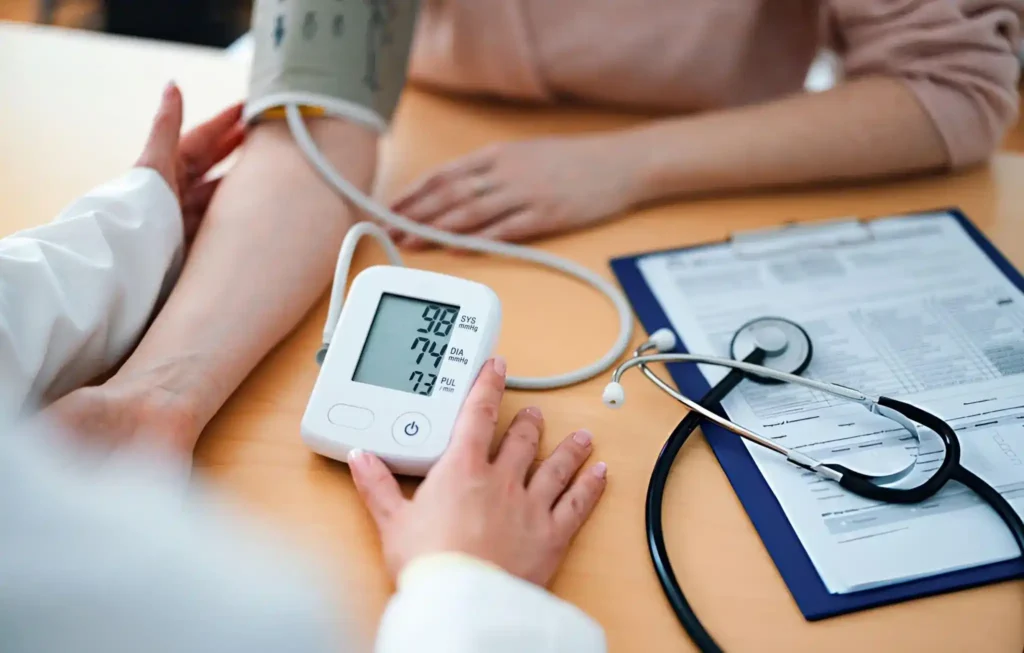
Seeing a GP when you feel well can feel unnecessary. But feeling healthy does not always mean your screening, vaccinations, and other preventive care are up to date. A routine GP visit is not about testing for everything. It is about reviewing which checks, vaccinations, and lifestyle conversations are relevant to you right now, based on your age, history, and individual risk factors.
Key Takeaways
- Preventive healthcare is personalised; not everyone needs the same tests or the same schedule.
- A GP can help identify which screening, vaccinations, or lifestyle reviews apply to you.
- Feeling well does not mean preventive care is automatically up to date.
- Routine GP visits support continuity, monitoring, and early identification where appropriate.
- Not every preventive appointment requires blood tests or procedures.
- When to attend depends on age, medical history, family history, and existing conditions.
What Is Preventive Health?
Preventive health refers to evidence-based care that helps protect and maintain your health over time. It may include evidence-based screening, vaccinations, lifestyle guidance, risk assessment and monitoring changes in health over time.
The RACGP Guidelines for Preventive Activities in General Practice describe prevention as measures that protect, promote, and maintain health across different life stages. Importantly, the RACGP also emphasises that preventive activities should be evidence-based, with benefits that outweigh potential harms. Not every test is worthwhile for every person.
Why See a GP When You Feel Healthy?
Preventive GP visits can help review health risks, screening and vaccinations that may not be obvious from how you feel day to day.
Some health risks, including high blood pressure, raised cholesterol, and early changes in blood glucose, may develop without causing obvious symptoms. They are identified through assessment, not through how a person feels day to day.
A preventive GP visit may help:
- Review your medical and family history
- Check whether screening or vaccinations are due
- Identify relevant personal risk factors
- Monitor changes such as blood pressure over time
- Discuss lifestyle concerns such as sleep, activity, or stress
- Maintain an accurate health record for ongoing care
As Healthdirect Australia notes, GPs can provide preventive screening, vaccinations, and health advice, coordinate referrals, and help patients build an ongoing care relationship with a provider who understands their needs.
A preventive appointment does not guarantee that every health condition will be identified. But it is a practical opportunity to ensure your care is current and appropriate.
What May a GP Review During a Preventive Health Appointment?
This varies based on the individual. No fixed list applies to every patient.
Depending on your circumstances, a GP may review:
Health background
- Medical and family history
- Current medications
- Previous test results or screening history
Risk and measurements
- Blood pressure and cardiovascular risk
- Diabetes and metabolic risk
- Weight or waist measurement, where relevant
- Smoking, alcohol, and physical activity
Screening and vaccinations
- Cervical, bowel, breast, or skin cancer screening where eligible
- Immunisation history and any due vaccinations
- Sexual or reproductive health, where relevant
Overall wellbeing
- Nutrition and sleep patterns
- Stress, mental health, and work or caring demands
- Any new or changing symptoms worth discussing
Clarence Town Healthcare’s health assessment services cover medical history, lifestyle factors, health risks, and relevant examinations or investigations where clinically appropriate.
Preventive Care Should Be Personalised
There is no single preventive health schedule that suits every adult. What is recommended for you depends on your age, medical history, family history, lifestyle, and existing conditions.
As a general guide, priorities may shift across life stages:
- Younger adults: vaccination history, sexual health, mental wellbeing, and lifestyle risk factors
- Midlife adults: cardiovascular and diabetes risk, eligible cancer screening, and reproductive or hormonal health through our women’s health or men’s health services
- Older adults: medication reviews, bone health, mobility, vaccinations, and chronic condition monitoring
- Higher-risk patients: those with a significant family history, previous abnormal results, or lifestyle factors may benefit from more targeted or frequent review
Services Australia lists specific Medicare health assessment items for certain eligible groups, including heart health assessments and targeted assessments for Aboriginal and Torres Strait Islander peoples. Eligibility and clinical suitability vary.
Does Everyone Need an Annual GP Check-Up?
No. There is no universal annual check-up requirement for every adult in Australia. How often you should see a GP depends on your age, risk factors, medical history, existing conditions, medications, and screening schedule.
Someone with no identified risk factors and a current screening history may not need to attend as frequently as someone managing chronic conditions or a significant family history. A GP can recommend an appropriate review schedule based on your individual circumstances.
If you are unsure which checks are relevant to your age or health history, a GP can review your individual risks and help you plan appropriate next steps.
What Should You Expect at the Appointment?
A preventive health appointment is a conversation as much as a clinical assessment.
Your GP will likely ask about your health history, medications, lifestyle, and any concerns. Relevant measurements or examinations may be discussed. Screening and vaccination records may be reviewed. Your GP may recommend tests where they are clinically appropriate and can explain their purpose, possible benefits and limitations.
To make the most of your appointment, bring:
- A list of current medications
- Known family medical history
- Your last screening or vaccination dates
- Medicare card
- Any questions or concerns you want to raise
Book a longer consultation if you have several issues to cover. A general GP consultation gives your doctor time to focus on what matters most to you.
Are Preventive Health Appointments Covered by Medicare?
Clarence Town Healthcare bulk bills eligible standard and long GP consultations for patients with a valid Medicare card. Some additional services or procedures may attract a separate private or gap fee. Confirm the billing arrangements for your appointment and any additional services with reception when booking.
Before booking, check current billing arrangements on our fees page or speak with reception to confirm what may apply to your appointment type.
When Should You Book Sooner Rather Than Later?
Routine preventive care and symptom-based assessment are different.
Book sooner if you notice:
- New or persistent symptoms
- Unexplained changes in weight or energy
- Ongoing pain or discomfort
- Changes in mood, sleep, or mental wellbeing
- A new family health concern
- An overdue or abnormal screening result
If a symptom is persistent, worsening, unusual for you or causing concern, consider booking a symptom-focused appointment rather than relying on your next routine preventive review.
FAQs
Does everyone need a GP check-up every year?
No. Frequency depends on age, medical history, lifestyle, risk factors, medications, and existing conditions. A GP can advise on an appropriate schedule based on your individual circumstances.
Do I need blood tests if I feel healthy?
Not automatically. A GP may recommend specific tests where age, symptoms, family history, or risk factors make them clinically relevant. Routine blood testing without a clear reason is not always beneficial.
What should I bring to a preventive health appointment?
A current medication list, family health history, previous screening dates, vaccination information, your Medicare card, and any questions or concerns you want to raise.
Are preventive health checks bulk billed?
Eligible standard and long GP consultations at Clarence Town Healthcare are bulk billed for patients with a valid Medicare card. Additional services or tests may attract separate fees. Confirm with reception when booking.
Can a preventive review be done by telehealth?
Telehealth may be suitable for reviewing history, medications, screening, and general concerns for eligible patients. However, measurements, vaccinations, examinations, or specimen collection may require an in-person visit. Confirm suitability when booking.
A Practical Next Step for Your Health
Preventive healthcare is not about ordering every possible test. It is about identifying which advice, screening, vaccinations, or monitoring are genuinely relevant to you at this point in your life.
For families and individuals in Clarence Town and surrounding communities, a routine GP visit is a practical step towards staying informed about your health.
If it has been some time since your last routine health review, book a GP appointment with Clarence Town Healthcare to discuss screening, vaccinations, and other preventive health needs based on your individual circumstances.