
If you are wondering what component of a food is responsible for an allergic reaction, the short answer is usually a protein. In someone with a food allergy, the immune system mistakenly identifies a particular food protein as harmful and releases chemicals that cause symptoms. Not every symptom after eating is an allergic reaction, and working out the cause often requires clinical assessment rather than guesswork.
If you or your child has repeated symptoms after eating, a general GP consultation can help review the reaction history and discuss appropriate next steps.
Key Takeaways
- Food proteins are usually the components responsible for triggering allergic reactions
- A food allergy involves the immune system; food intolerance usually does not
- Symptoms can range from mild skin reactions to severe breathing or circulation changes
- Suspected food allergy should be assessed using the reaction history and targeted tests where appropriate
- Do not deliberately retry a food suspected of causing a reaction without medical advice
- Call 000 immediately for signs of a severe allergic reaction
What Component of Food Is Responsible for an Allergic Reaction?
Most true food allergies are triggered by a food protein, known as an allergen. The immune system mistakenly treats this protein as harmful and causes symptoms.
ASCIA — Australasian Society of Clinical Immunology and Allergy notes that some reactions involve IgE antibodies, while others follow different immune pathways. Sugars, additives and preservatives may cause other adverse reactions, but these are not always classified as food allergies.
How Does a Food Protein Trigger a Reaction?
The process generally follows three steps:
- A person eats or comes into contact with a trigger food
- The immune system recognises a specific protein in that food as harmful
- Immune chemicals are released, producing symptoms across the skin, gut, breathing, or circulation
Reaction timing and severity can vary between people and between reactions. One exposure does not always predict how the next one will feel.
Which Foods Commonly Cause Allergic Reactions?
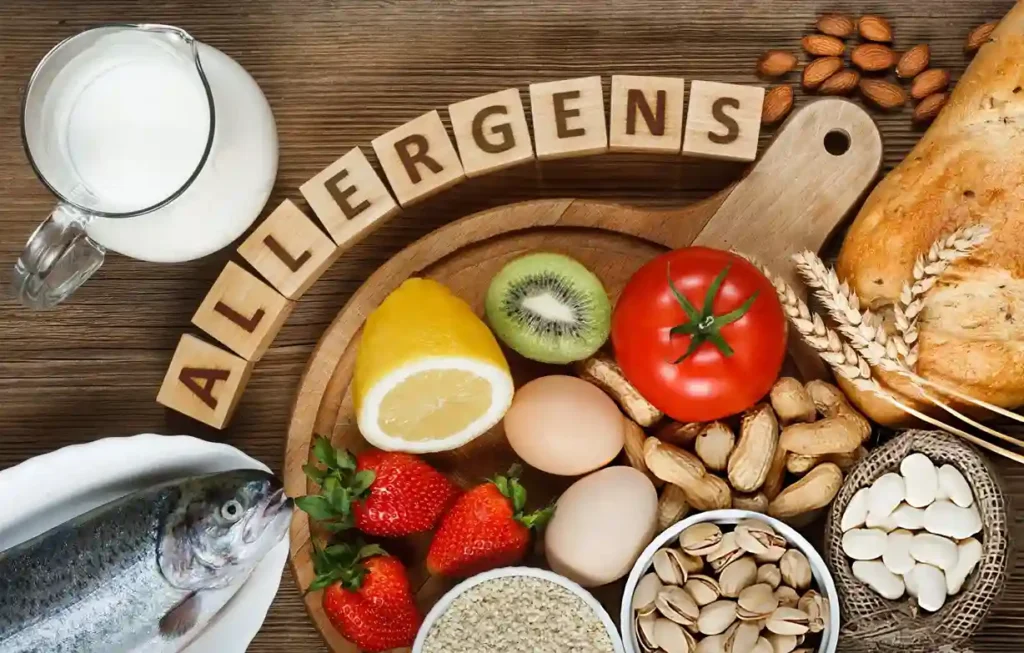
Almost any food can trigger an allergic reaction, but some are more commonly involved than others.
The most common food allergens in Australia include:
- Cow’s milk
- Egg
- Peanut
- Tree nuts
- Sesame
- Soy
- Wheat
- Fish
- Shellfish
ASCIA identifies these as the most common allergy-causing foods in Australia and New Zealand. However, being allergic to one of these foods does not mean every person needs to avoid them all.
What Symptoms Can a Food Allergy Cause?
Symptoms can vary significantly between individuals. Immediate food-allergy symptoms usually begin within minutes and may occur up to one or two hours after eating. Some other immune-mediated food reactions can take longer to appear.
Mild to Moderate Symptoms
- Hives or an itchy raised rash
- Swelling of the lips, face, or eyes
- Tingling or itching in the mouth
- Abdominal pain or vomiting
Healthdirect lists hives, skin swelling, vomiting, and abdominal pain among possible food-allergy symptoms.
Signs of a Severe Reaction
- Difficult or noisy breathing
- Tongue or throat swelling
- Wheezing or persistent cough
- Difficulty talking or a hoarse voice
- Dizziness or sudden collapse
- A young child becoming pale and floppy
Symptoms alone cannot always identify which food was responsible. Clinical assessment is needed to make that connection reliably.
When Is an Allergic Reaction an Emergency?
If you think someone is experiencing anaphylaxis, use their prescribed adrenaline injector immediately and follow their ASCIA Action Plan. Then call Triple Zero (000) and ask for an ambulance.
Anaphylaxis can develop quickly and requires immediate emergency treatment. Do not wait to see whether symptoms improve on their own.
Is It a Food Allergy or Food Intolerance?
This is one of the most common points of confusion for patients.
| Food allergy | Food intolerance |
| Involves the immune system | Usually does not involve the immune system |
| Reaction usually to a food protein | May relate to difficulty digesting a food component |
| Can affect skin, breathing, gut, or circulation | More commonly causes digestive symptoms |
| Can cause anaphylaxis | Does not usually cause anaphylaxis |
Healthdirect explains that food allergy is an immune response to a specific food protein, while food intolerance generally follows a different mechanism. Neither should be dismissed, but they require different approaches to assessment and management.
How Is a Suspected Food Allergy Assessed?
A GP starts with the reaction history rather than relying on one test. They may ask:
- Which food was eaten and how much
- When symptoms started and how long they lasted
- What symptoms occurred
- Whether the reaction has happened before
- Whether any treatment was used
Depending on the history, a GP may request a targeted specific IgE blood test or refer for skin-prick testing or specialist assessment. Positive results show sensitisation but do not confirm food allergy on their own. ASCIA advises against online tests, IgG panels and broad allergy screening because they may lead to misleading results and unnecessary food restriction.
Where a doctor requests a blood test, the clinic provides access to pathology collection services as part of routine medical care.
What Should You Do After a Suspected Food Reaction?
Before your appointment, note down:
- What was eaten, including ingredients and packaging
- How much was eaten
- When symptoms started and how long they lasted
- Which symptoms occurred
- Any medicines given and whether they helped
- Whether a similar reaction has happened before
Do not deliberately retry a suspected trigger food without medical advice. If dietary changes are being considered for a child, seek guidance from a GP or dietitian first. Unnecessary restriction can affect nutrition and growth.
When Should You Speak With a GP?
Consider booking a GP appointment if:
- Symptoms have repeatedly occurred after the same food
- Facial swelling, hives, or vomiting occurred after eating
- The trigger remains unclear after one or more reactions
- A child’s diet is becoming restricted due to suspected allergy
- You are unsure whether symptoms indicate allergy or intolerance
- Advice is needed about testing or referral
Clarence Town Healthcare provides children’s health services and general medicine consultations for patients of all ages who need assessment of undiagnosed symptoms or repeat reactions after food.
Key Message About Suspected Food Allergy
Food proteins are usually responsible for allergic reactions, but symptoms after eating can have several causes. Working out what happened requires a proper clinical history rather than a single test result or an online panel.
If you are concerned about a possible food allergy, book a GP appointment with Clarence Town Healthcare to discuss the symptoms, the suspected food, and appropriate next steps.
FAQs
Are food allergies always caused by proteins?
Usually, yes. Most food allergens are proteins that the immune system treats as harmful. The same proteins are harmless to people who do not have a food allergy.
Can preservatives or food additives cause allergic reactions?
Some people experience adverse reactions to food additives, but these are not always a classic food-protein allergy. Clinical assessment can help clarify the cause.
Does a positive allergy blood test confirm a food allergy?
No. A positive result shows that the immune system has been sensitised to a protein, but this does not always mean eating the food will cause symptoms. Results must be considered alongside the clinical history.
Should I try the food again to see if it was the cause?
Do not deliberately retry a food suspected of causing a reaction without medical advice. If an oral food challenge is needed, it should be conducted under medical supervision.
Can adults develop a new food allergy?
Yes. Food allergy can develop in adults, even after years of tolerating a food without issues. Any new suspected reaction should be assessed by a GP.
References and Further Reading
- ASCIA — Food Allergy
- Healthdirect Australia — Food Allergies
- Healthdirect Australia — Allergy Testing
- ASCIA — Anaphylaxis
Information in this article is general in nature and does not replace individual clinical assessment. For signs of anaphylaxis, call 000 immediately. For non-urgent concerns about food reactions, speak with a GP.