
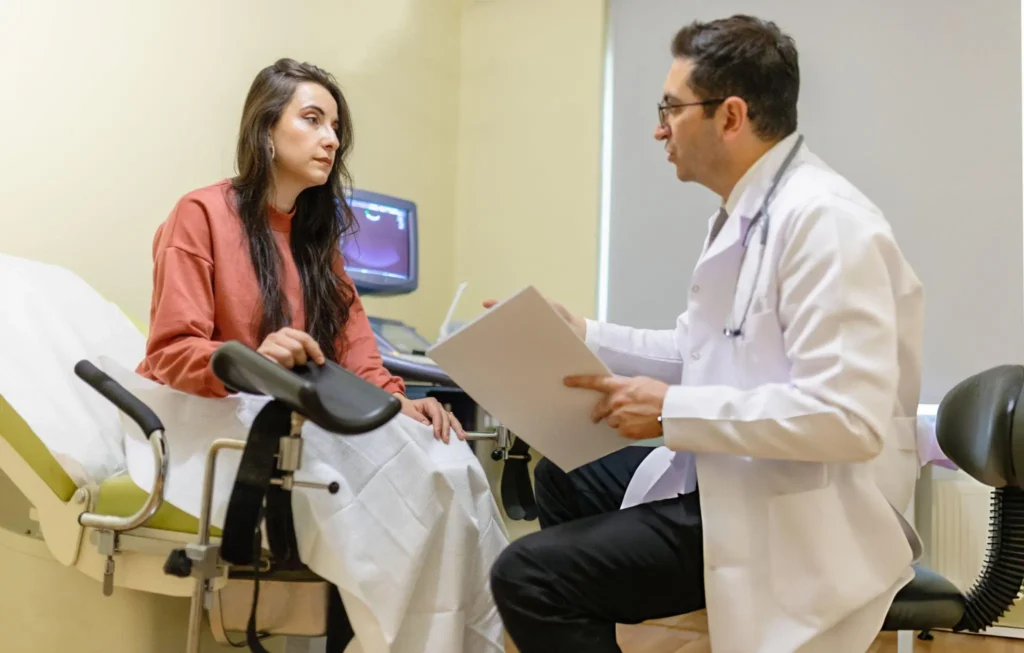
If you have received a screening reminder or are wondering whether you are due, you are not alone in feeling confused about the terminology. The Cervical Screening Test replaced the routine Pap smear in Australia in 2017. The tests are related, but they are not identical. Understanding the difference helps you know what to expect and feel more confident about booking.
Key Takeaways
- The Cervical Screening Test replaced the two-yearly Pap smear in Australia
- The current test checks for high-risk HPV rather than starting by looking for abnormal cells
- Eligible women and people with a cervix aged 25 to 74 generally screen every five years
- Clinician collection and self-collection are both available options
- Self-collection is arranged through a healthcare provider
- Symptoms such as unusual bleeding need GP assessment rather than waiting for routine screening
What Is a Cervical Screening Test?
The Cervical Screening Test looks primarily for human papillomavirus (HPV), a common virus that most people encounter at some point in their lives. Certain high-risk types of HPV can, over time, cause changes in cervical cells that may lead to cervical cancer.
The National Cervical Screening Program explains that testing for HPV is a more accurate way of identifying people at higher risk than the previous Pap smear approach. If HPV is detected, the next step depends on the HPV type and how the sample was collected. Some patients may need additional laboratory testing, a clinician-collected cervical sample or further assessment.
Routine screening is worthwhile even without symptoms. HPV vaccination reduces the risk of some HPV types but does not remove the need for cervical screening, as vaccination does not cover every high-risk strain.
Is a Cervical Screening Test the Same as a Pap Smear?
They are related, but they are not the same. Many people still say “Pap smear” out of habit. What Australia now offers under the National Cervical Screening Program is the Cervical Screening Test.
| Feature | Previous Pap smear | Current Cervical Screening Test |
| Main focus | Looked for abnormal cervical cells | Looks for high-risk HPV |
| Routine interval | Generally, every two years | Generally, every five years |
| Collection | Usually clinician collected | Clinician collection or self-collection |
| Follow-up | Based on cell findings | Based on HPV and any additional laboratory findings |
Both approaches serve the same overall purpose of cervical cancer prevention. The current HPV-based test can identify people at higher risk earlier and is more accurate than the former Pap smear approach.
Who Needs Cervical Screening and How Often?
Routine cervical screening generally applies to women and people with a cervix who:
- Are aged 25 to 74
- Have you ever had any sexual contact
- Whether or not they have received the HPV vaccine
- Regardless of sexual orientation or gender identity
- Are generally well and do not currently have cervical symptoms
Screening is usually recommended every five years for eligible participants with a negative result. However, individual factors may change what is recommended for you. These include:
- A previous abnormal screening result
- A hysterectomy
- Pregnancy
- Immune suppression or certain medical conditions
- Previous cervical treatment
A GP can review your individual screening history and confirm what is appropriate. Clarence Town Healthcare offers women’s health services, including cervical screening for eligible patients.
What Should You Expect at a Cervical Screening Appointment?
Knowing what happens can reduce anxiety about the appointment itself.
Before the Test
- Mention any pregnancy, current bleeding, pain, or previous difficult experiences.
- Ask about self-collection if you would prefer that option
- Request privacy, extra explanation, or a preferred clinician where available
- Discuss whether menstrual bleeding may affect timing
During Clinician Collection
- The clinician explains the process and confirms your consent
- You undress from the waist down in privacy and lie on the examination bed
- A speculum is gently inserted to allow the clinician to see the cervix
- A small sample is taken from the cervix with a soft brush
- The sample is sent to a laboratory for HPV testing
The collection itself usually takes only a few minutes. You may feel some pressure or brief discomfort. You can ask the clinician to pause or stop at any time.
Can You Choose a Self-Collected Cervical Screening Test?
Yes. All eligible screening participants in Australia now have the option to self-collect. The Australian Government confirms that self-collection is available to everyone eligible for cervical screening.
Self-collection works like this:
- It is arranged through a healthcare provider, such as a GP
- A swab is inserted into the vagina, not the cervix
- A speculum is not required for the self-collected sample
- The sample is returned to the clinician for laboratory processing
- If the result requires further follow-up, clinician collection may sometimes be needed
Self-collection is not an unrestricted at-home kit purchased online. Self-collection is arranged and overseen through a healthcare provider. The sample can usually be collected privately, with support available if needed.
If you are unsure whether clinician collection or self-collection is right for you, a GP can explain both options and discuss your individual screening history.
How Should You Prepare for the Test?
A few practical steps make the appointment smoother:
- Check whether you are due for screening
- Bring your Medicare card
- Note your last test date if known
- Mention any current symptoms, pregnancy, or health changes
- Ask reception about appointment length and any applicable fees
- Write down questions about self-collection or previous results
- Raise any accessibility, cultural, or trauma-related needs in advance
How Much Does a Cervical Screening Test Cost?
Costs can vary depending on the appointment structure and services provided.
The total cost may include:
- The GP consultation
- Sample collection or procedure fees
- Pathology laboratory testing
- Any applicable Medicare rebate
- Possible gap payment for services outside standard billing
Clarence Town Healthcare bulk-bills eligible standard and long GP consultations, but certain procedures may incur separate fees. Before booking, check the clinic’s current fee information or speak with reception to confirm whether any consultation, collection, or additional service fee may apply. Details are available on our fees page.
What Do Cervical Screening Results Mean?
Result timing can vary. Your clinic will explain when and how you will receive your results, which are grouped into a few main categories.
HPV Not Detected
The most common result. Routine screening is generally recommended again in five years, subject to individual history.
HPV Detected
This does not mean you have cervical cancer. HPV is extremely common. Depending on the specific HPV type and any additional laboratory findings, follow-up may involve repeat testing in twelve months or further assessment.
Further Follow-Up Recommended
For some results, Cancer Council Australia explains that follow-up may include repeat screening, a clinician-collected sample, cervical cell assessment, colposcopy, or specialist referral.
Your GP will explain any next steps clearly based on your specific result.
Cervical Screening Is Not a Test for Symptoms
Routine cervical screening is designed for people without symptoms. If you have any of the following, speak with a GP as soon as possible rather than waiting for your next scheduled screening:
- Bleeding after sex
- Bleeding between periods
- Postmenopausal bleeding
- Unusual vaginal discharge
- Persistent pelvic pain
- Pain during sex
These symptoms need individual assessment. They do not necessarily mean something serious, but they should not be left until the next routine screening date.
When Should You Book a GP Appointment?
Consider booking if:
- Screening is due or overdue
- You are unsure when your last test was
- You want to discuss self-collection
- You have had a previous abnormal result
- Personal circumstances may affect your screening schedule
- You have cervical or pelvic symptoms
FAQs
Is a Cervical Screening Test the same as a Pap smear?
Not exactly. The Cervical Screening Test replaced the Pap smear in Australia and primarily checks for high-risk HPV rather than beginning by examining cervical cells.
How often do I need a Cervical Screening Test?
Eligible participants with a negative result generally screen every five years. Previous results, symptoms, or medical history may change this recommendation.
Can I do a Cervical Screening Test myself?
Eligible participants can choose self-collection, which is arranged through a healthcare provider. It is not an unrestricted home kit.
Does a Cervical Screening Test hurt?
Clinician collection may cause brief pressure or discomfort, but experiences vary. You can ask questions, request a pause, or discuss self-collection.
Do I still need cervical screening after HPV vaccination?
Yes. Vaccination reduces risk but does not protect against every high-risk HPV type, so routine screening is still recommended for eligible participants.
Key Message for Patients
The Cervical Screening Test is different from the former Pap smear, but it serves the same important purpose. Whether you choose clinician collection or self-collection, the goal is the same: supporting long-term health through early detection.
If you are due, overdue, or uncertain about your screening, book a women’s health appointment with Clarence Town Healthcare to discuss your options and any individual concerns.